
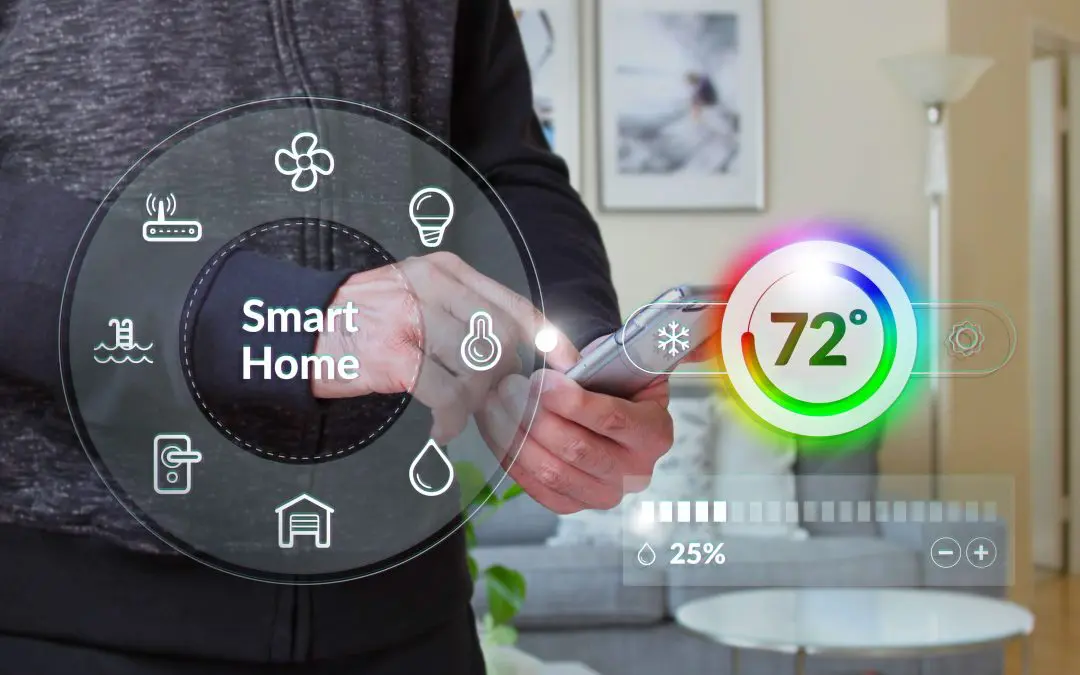
Home technology has moved well beyond the novelty stage. What started as voice assistants that could play music and smart bulbs that changed color has evolved into a cohesive ecosystem of devices that genuinely make homes more efficient, more comfortable, more secure, and significantly easier to manage. The most compelling home technology available today is compelling because it solves real problems, reduces real costs, and delivers daily improvements to how a home performs and how its occupants feel in it.
How Today’s Home Technology Is Different From What Came Before
Earlier generations of home technology required significant setup and delivered limited flexibility. You programmed them once and lived with the schedule. Modern home technology is fundamentally different: it’s responsive. It learns, adapts, communicates with other devices, and can be controlled from anywhere. The result is a home that doesn’t just follow instructions but actively responds to the people living in it. The integration that modern home technology enables is where the real value emerges. A thermostat that knows your schedule, the weather forecast, and whether anyone is home makes better heating and cooling decisions than any static schedule could. A security system that integrates cameras, door sensors, and smart locks creates a unified picture rather than a collection of unconnected devices.
Energy Management That Pays for Itself
Energy-related home technology has reached a level of sophistication and affordability that makes it one of the highest-return categories of home improvement. Smart thermostats have demonstrated consistent energy savings of 10 to 15 percent on heating and cooling costs. For most homes, the device pays for itself within the first year or two and continues saving money for years afterward. Smart home energy monitors provide real-time visibility into which appliances and circuits are drawing power. This visibility transforms abstract utility bills into actionable information, revealing the refrigerator running inefficiently, phantom loads from devices on standby, and the circuits that would benefit from more efficient appliances. Home technology that makes energy consumption visible consistently leads to behavior changes that reduce consumption. Solar panels paired with home battery storage represent the frontier of residential energy home technology. Battery systems allow excess solar generation to be stored and used during peak rate hours or outages, effectively creating energy independence for the home during short-term grid disruptions and reducing reliance on utility power during the most expensive windows of the day.
Home Technology for Comfort, Convenience, and Daily Life
Beyond energy management, home technology has made meaningful inroads into daily comfort and convenience. Smart lighting systems that automatically adjust color temperature throughout the day align with human circadian rhythms in ways that research suggests improve sleep quality and daytime alertness. The same systems that eliminate lights left on in empty rooms also contribute to daily well-being in subtler ways. Water management technology addresses one of the most overlooked areas of residential efficiency. Smart irrigation controllers that use local weather data and soil moisture sensors can reduce outdoor water use by 30 to 50 percent compared to traditional timed systems. Whole-house water monitors detect slow drips and micro-leaks that traditional inspection misses, alerting homeowners to developing problems before they become expensive water damage events.
Home technology in the kitchen has evolved from novelty to genuine utility. Smart ovens that can be preheated remotely, refrigerators that track contents and expiration dates, and dishwashers that run during off-peak utility hours all represent incremental improvements that create a home managing more of its routine operations with less active oversight from its occupants.
Frequently Asked Questions (FAQs)
Where should I start if I want to adopt smart home technology?
Start with the technology that addresses your biggest daily friction or highest recurring cost. For most households, that’s a smart thermostat or a video doorbell. Both integrate easily with major smart home platforms and serve as natural anchors for expanding the system over time.
Do smart home devices work together or do I need to choose one ecosystem?
The industry has moved significantly toward interoperability, and the Matter standard allows devices from different manufacturers to work on a unified platform. Purchasing devices that share a common ecosystem still provides the most seamless experience.
How does smart home technology affect home value?
Research consistently shows that home technology improves buyer perception and can accelerate sale timelines. Buyers increasingly expect certain features as baseline rather than premium. Well-integrated home technology that’s clearly functional and properly documented tends to be viewed favorably in the transaction, particularly among younger buyers who actively seek it out.
Are smart home systems difficult to install without professional help?
Most consumer-grade home technology is designed for DIY installation. The exceptions are devices requiring new wiring or whole-home audio and lighting systems that benefit from professional design.
What are the privacy considerations of smart home technology?
Smart home devices, particularly cameras, microphones, and voice assistants, collect and transmit data as part of their function. Review privacy settings on every device, use strong unique passwords and two-factor authentication on all associated accounts, and keep firmware updated to ensure security patches are applied. Be thoughtful about placement of devices with audio or video capability. Home technology used responsibly provides significant benefits; the same technology with inadequate security creates vulnerabilities worth avoiding.
Danny Inspections offers mold testing and home inspections to the Chicago metropolitan area. If you’re buying or selling your property, contact us to schedule an appointment.