
Summer energy bills have a way of arriving like an unwelcome surprise every year, and for most households, air conditioning is almost entirely to blame. But summer energy use doesn’t have to spike the moment temperatures climb. With a combination of smart habits, strategic upgrades, and a better understanding of how heat works in your home, you can stay comfortable all summer long without watching your utility bill double. Most of the most effective strategies cost very little to implement and deliver savings that compound month over month throughout the season.
Understanding What’s Driving Your Summer Energy Use
Before you can meaningfully reduce your energy consumption in summer, it helps to understand where it’s actually going. In most homes, the air conditioner accounts for the majority of summer energy use. Everything else plays a secondary role, but those smaller contributors add up more than most homeowners realize. Heat enters your home from several directions: through the roof as solar energy, through windows as radiant heat, through poorly insulated walls and attics, and from internal sources like cooking and electronics. Reducing summer energy use means addressing as many of these sources as possible in combination.
Optimize Your Thermostat Strategy
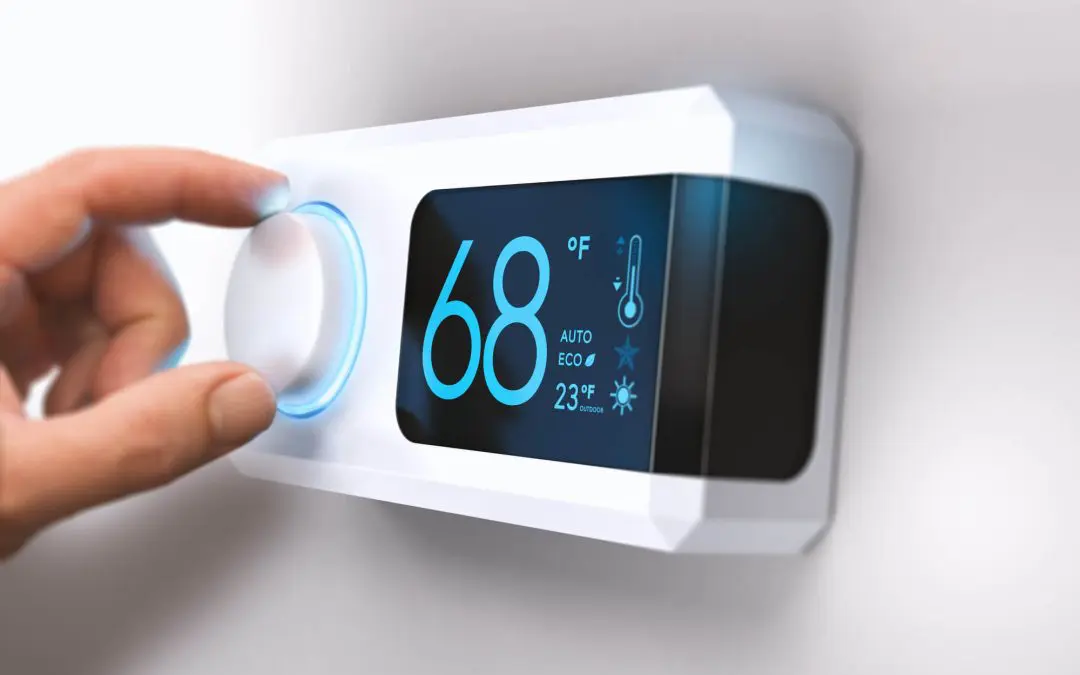
The single biggest lever for controlling summer energy use is your thermostat. The Department of Energy recommends setting it to 78°F when you’re home and significantly higher when the house is empty. Every degree above 72°F reduces air conditioning energy use by approximately three percent, giving thermostat settings an outsized impact on monthly bills. A smart or programmable thermostat automates this by adjusting temperatures based on your schedule. Pre-cooling in the early morning when electricity rates are typically lower, and letting temperatures rise slightly during peak afternoon hours, is effective in areas with time-of-use pricing. Ceiling fans paired with air conditioning allow you to raise the thermostat set point by several degrees without sacrificing comfort, since the wind chill effect makes the room feel cooler than it actually is.
Reduce Summer Energy Use Through Better Insulation and Sealing
Your air conditioner works hardest when cool air escapes and hot air rushes in to replace it. Sealing the gaps that allow this exchange is one of the most cost-effective strategies available. Common culprits include gaps around window and door frames, attic hatches, recessed lighting fixtures below the attic, and where pipes penetrate walls. Attic insulation is the highest-impact upgrade for most homes. Heat absorbed through the roof transfers into the living space through an inadequately insulated attic ceiling, AC fights that heat gain all day. Improving attic insulation to the recommended R-value for your climate delivers measurable reductions in summer energy use year after year. Weatherstripping around exterior doors is simple and inexpensive. If you can see daylight around a door frame or feel warm air seeping in near window edges, you’re losing conditioned air and paying for it every month.
Block the Sun Before It Heats Your Home
Windows are a primary source of solar heat gain in summer; south and west-facing windows in particular receive intense afternoon sun that drives interior temperatures up significantly. Addressing this is one of the most targeted ways to reduce summer energy use without spending much at all. Interior cellular shades or blackout curtains on south and west-facing windows during peak afternoon hours reduce solar heat gain substantially. Exterior solutions, awnings, or shade trees are even more effective because they stop radiant heat before it reaches the glass. Window films that block UV and infrared radiation while maintaining visibility are another excellent option. Reflective roof coatings and radiant barriers in the attic address the roof-level solar absorption that drives so much summer heat into living spaces.
Frequently Asked Questions (FAQs)
What is the most effective single change a homeowner can make to reduce summer energy use?
Optimizing thermostat settings consistently delivers the most immediate reduction in summer energy use for most homeowners.
Does closing vents in unused rooms save energy in summer?
This is a common misconception. Closing vents in a forced-air system actually reduces efficiency rather than improving it. HVAC systems are designed to distribute air across a balanced network of ducts and returns. Closing vents increases static pressure, making the blower work harder and potentially causing the system to run longer. Leaving vents open in all rooms is the better approach.
How much can improving attic insulation reduce energy use?
Properly insulating an attic to the recommended R-value can reduce cooling costs by 10 to 50 percent, depending on how inadequate the existing insulation is. Homes with little or no attic insulation see the most dramatic improvements. Even homes with some insulation often have gaps or settled areas, and upgrading delivers meaningful savings throughout the cooling season.
Are smart thermostats worth the investment?
Yes, for most homeowners. Smart thermostats learn your schedule, automatically adjust when the home is empty, and can be controlled remotely. Studies consistently show that smart thermostat users reduce HVAC energy use by 10 to 15 percent annually. Most pay for themselves within a single cooling season through energy savings alone.
Do energy-efficient appliances really make a difference in summer energy use?
They contribute, though their impact is secondary to HVAC optimization. Energy-efficient appliances generate less waste heat, reducing the cooling load your AC must overcome. Switching to LED lighting and running large appliances like dishwashers and dryers in the evening rather than during peak afternoon heat both help keep interior temperatures more manageable.
Danny Inspections offers mold testing and home inspections to the Chicago metropolitan area. If you’re buying or selling your property, contact us to schedule an appointment.