
Winter safety is an important consideration for homeowners as the colder months set in. From icy walkways to frozen pipes and increased energy use, winter brings unique hazards that could impact both your home and your family. Prioritizing winter safety will help prevent accidents, reduce costly repairs, and give peace of mind.
Winter Safety Starts With Your Home
Home maintenance plays a key role in winter safety. Make sure to inspect your roof, gutters, and exterior walls for damage. Snow and ice accumulation could put stress on the roofing structures, while clogged gutters may lead to water damage and ice dams. Ensure your heating system is serviced and functioning properly; a well-maintained system is less likely to fail during extreme cold. Checking your chimney, water heaters, and fireplace ensures that no hidden hazards are present. Even small maintenance tasks, such as replacing weather stripping around doors and windows, can prevent drafts, reduce heating costs, and enhance overall comfort, all key aspects of winter safety.
Winter Safety for Walkways and Driveways
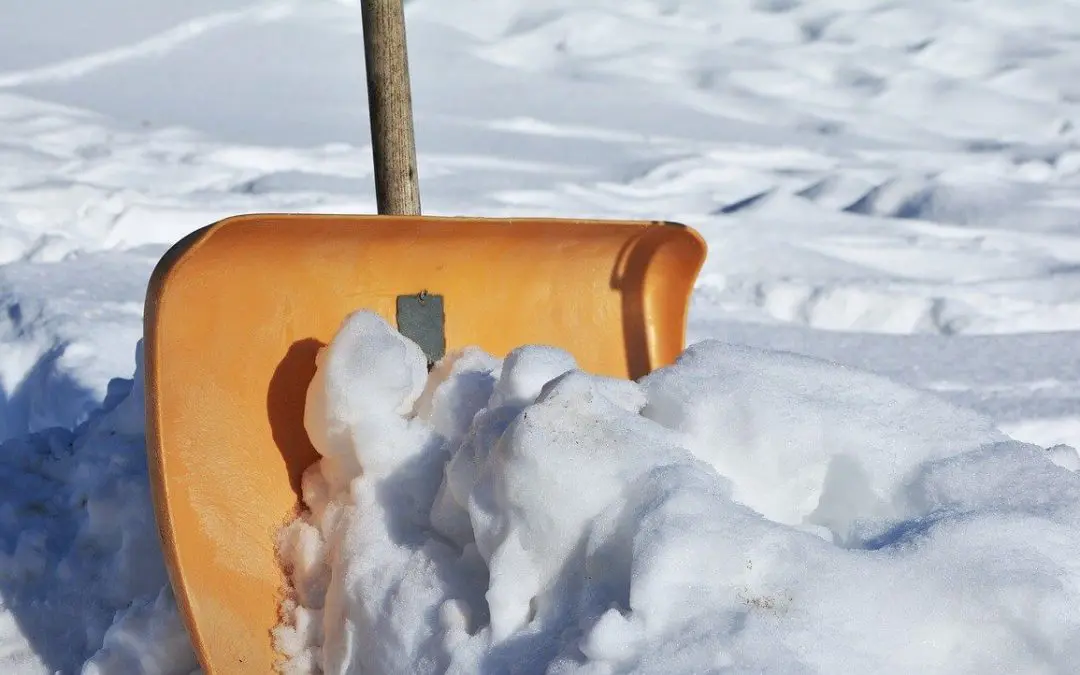
Slips and falls are among the most common winter accidents, making clear walkways and driveways a critical aspect of winter safety. Shovel snow promptly, ideally before it becomes packed and icy, and apply ice melt, sand, or non-toxic deicers to reduce slippery surfaces. For households with stairs or steep driveways, make sure handrails are sturdy and accessible. Adding outdoor lighting along pathways and entrances guarantees that walkways are visible even during early sunsets and long winter nights. For larger properties, consider snow blowers or hiring professional snow removal to reduce risk and fatigue. Taking these precautions helps prevent injuries and keeps your property safe for residents and visitors.
Prevent Winter Fire Hazards
The use of heating equipment, fireplaces, and space heaters increases significantly in winter, which elevates fire risks. Space heaters should always be used according to manufacturer instructions, and combustible materials like rugs, curtains, or furniture should be kept at least three feet away. Regularly inspect electrical cords and outlets for frays or overloading, and never leave heaters unattended. Checking smoke detectors and carbon monoxide alarms monthly is crucial, as both devices can save lives in the event of a problem. Understanding fire hazards and taking preventive steps is a vital part of overall winter safety.
Protect Your Plumbing and Water Systems
Frozen pipes are a common and costly issue during winter. Insulate exposed pipes in basements, crawlspaces, and attics, and allow faucets to drip during extreme cold to prevent freezing. Be aware of sudden drops in water pressure or small leaks, as these may indicate vulnerable areas prone to bursting. If you plan to be away during winter, consider shutting off your water and draining pipes to avoid emergency repairs. Addressing plumbing risks proactively is a core component of winter safety for homeowners.
Prepare an Emergency Plan
Winter storms can sometimes lead to power outages, blocked roads, or extended periods of extreme weather. Preparing an emergency plan enhances winter safety by ensuring your household knows how to respond during crises. Keep flashlights, extra batteries, bottled water, non-perishable food, blankets, and a first-aid kit readily available. If you live in regions prone to heavy snow or ice storms, having a backup power source, like a generator, is recommended. Communicate with family members about emergency procedures, and ensure that everyone knows where to find essential supplies. Being prepared reduces panic and keeps everyone safe.
Maintain Safe Indoor Air Quality
Heating systems reduce humidity levels and impact indoor air quality during winter. Dust, allergens, and mold could accumulate if HVAC systems are not properly maintained. Regularly changing air filters, cleaning vents, and using humidifiers when necessary help maintain healthier indoor air. Proper ventilation also reduces condensation and prevents moisture-related issues that could compromise home structures. Indoor air quality is often overlooked, but it is a key component of comprehensive winter safety.
Personal Winter Safety
Winter safety extends beyond the home itself. Cold weather increases the risk of hypothermia and frostbite, particularly for children, the elderly, or individuals with chronic health conditions. Dress in layers, wear appropriate footwear, and limit time outdoors during extreme cold. Shoveling snow or performing outdoor chores should be done with caution; consider stretching beforehand and taking breaks to reduce strain. Paying attention to personal health and safety supports overall winter preparedness.
Frequently Asked Questions (FAQs)
How can I prevent slips and falls on icy surfaces?
Shovel snow promptly, use ice melt or sand on walkways, and make sure outdoor lighting highlights potential hazards.
What precautions should I take with heating equipment?
Keep combustible materials away from heaters, follow manufacturer instructions, and check smoke and carbon monoxide detectors monthly.
How do I protect my pipes from freezing?
Insulate exposed pipes, let faucets drip during extreme cold, and repair leaks or damaged seals before winter arrives.
What should be included in a winter emergency kit?
Flashlights, extra batteries, blankets, bottled water, non-perishable food, and a first-aid kit are essential.
Why is indoor air quality important in winter?
Heating systems can trap dust, allergens, and moisture. Proper ventilation and filter maintenance help maintain a healthy indoor environment.
Danny Inspections offers light commercial building and home inspections to the Chicago metropolitan area. If you’re buying or selling your property, contact us to schedule an appointment.