
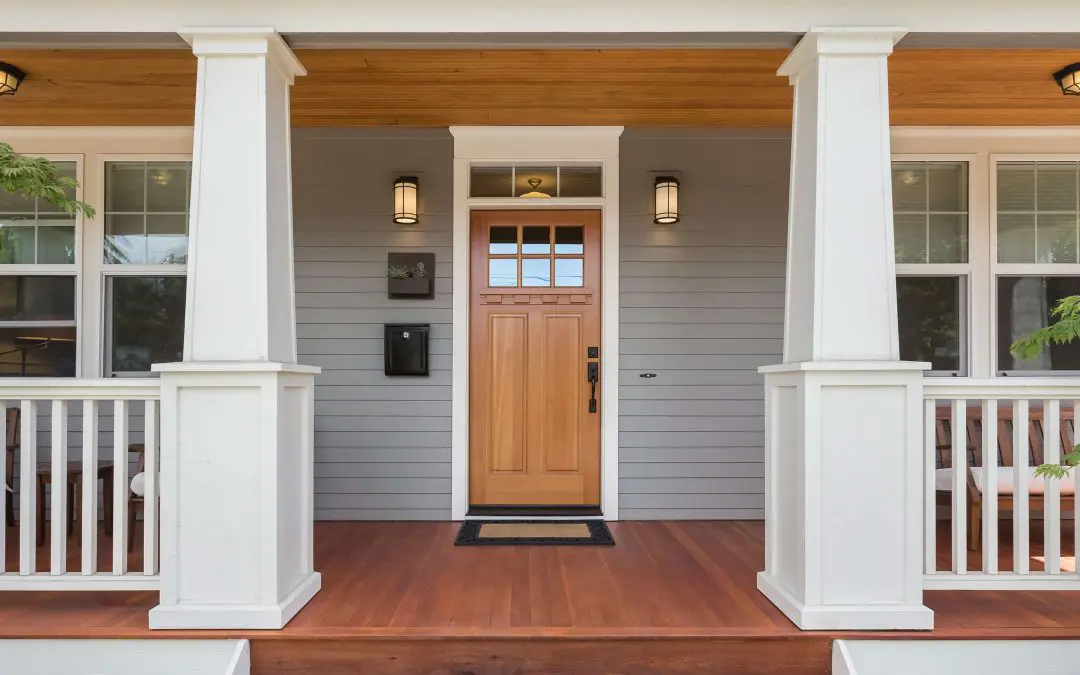
Exterior paint has to do more than look good; it protects surfaces from moisture, UV exposure, and temperature fluctuation for years at a time. The difference between a job that lasts a decade and one that starts peeling in two years is almost entirely about preparation, product selection, and timing.
Exterior Paint Success Starts With Preparation
The most important work happens before a drop of paint is applied. Cleaning the surface is the foundation to a lasting paint job. Exterior surfaces accumulate dirt, mildew, chalk from previous paint, and oxidation that prevent new paint from bonding. Pressure washing at the appropriate pressure for the surface material removes the contamination that would otherwise sit between the old surface and the new coating. Mildew should be treated with a mildewcide solution before washing, painting over active mildew produces a failure point no paint quality can overcome. Surface repair addresses the cracks, gaps, failed caulking, and deteriorated wood that allow moisture intrusion under the new coating. Caulking at all joints, where trim meets siding, around windows and doors, and where different materials meet, should be replaced with paintable exterior-grade caulk. Wood that’s soft or showing rot needs to be repaired or replaced; painting over damaged wood seals in the condition rather than addressing it.
Priming is the step that most directly affects exterior paint adhesion. Bare wood, repaired areas, stains, and surfaces being painted a dramatically different color all benefit from primer: it seals the surface, improves adhesion, and prevents tannin bleed-through that can stain through the topcoat.
Choosing the Right Exterior Paint for the Job
100% acrylic latex is the standard recommendation for most exterior paint applications on wood, fiber cement, and previously painted surfaces. It adheres well, remains flexible through temperature cycling, resists mildew, and breathes rather than trapping moisture, all properties that matter significantly for exterior performance. Sheen level affects both appearance and durability. Flat and matte sheens suit siding fields where lower sheen hides surface imperfections. Satin and semi-gloss are appropriate for trim, doors, and high-traffic areas where washability matters more. Using a higher-sheen product on trim against a lower-sheen field is the standard approach most professional painters use.
Timing and Application: Getting the Most From Your Paint
Temperature and humidity are the primary variables. Most exterior paint manufacturers specify a minimum application temperature of 50°F and recommend avoiding application when temperatures will drop below that within 24 hours. High humidity slows drying and may cause adhesion issues; painting above 85 percent relative humidity is generally not recommended. Avoid painting in direct sun on hot days; surface temperature on sun-baked siding could significantly exceed air temperature, causing paint to dry too quickly for proper film formation. Working in the shade where possible and following the sun around the house rather than painting into direct sunlight produces the most reliable exterior paint results. Early fall and late spring, when temperatures are moderate and humidity is manageable, are the ideal windows in most climates.
Frequently Asked Questions (FAQs)
How often does exterior paint need to be repainted?
A quality exterior paint job typically lasts eight to fifteen years depending on paint quality, climate, and UV exposure. South-facing elevations show wear first. Signs it’s time to repaint include widespread chalking, peeling, significant fading, and bare substrate exposure. Waiting until paint has fully failed means more extensive prep and a higher project cost.
How many coats of exterior paint does a house need?
Most projects require two coats. A single-coat application that looks adequate immediately often shows inadequate coverage as the paint cures. Professional painters include two topcoats in a standard scope; be cautious of bids specifying a single coat.
What’s the difference between paint and primer, and do I need both?
Primer bonds to bare or prepared surfaces and creates the foundation that topcoat adheres to. Paint-and-primer-in-one products work on surfaces in good condition with an existing bond, but don’t replace dedicated primer on bare wood, stained surfaces, or repaired areas.
Should I hire a professional or DIY my exterior paint project?
A single-story repaint on surfaces in good condition is within DIY capability with adequate preparation time. Multi-story homes, significant surface repairs, and complex trim are better suited to professional crews. The most common DIY exterior paint failure is inadequate preparation; professionals earn their cost through the thoroughness of prep, not the speed of application.
How do I choose exterior paint colors that work well with my home?
Start with the fixed elements, such as roof color, brick or stone, and hardscape, and choose colors that complement rather than compete. Most homes have three opportunities: the field, the trim, and the accent. Test colors as large painted samples on the actual exterior in both sun and shade; exterior paint looks significantly different in natural light than on paint chips or digital visualizers.
Danny Inspections offers mold testing and home inspections to the Chicago metropolitan area. If you’re buying or selling your property, contact us to schedule an appointment.