
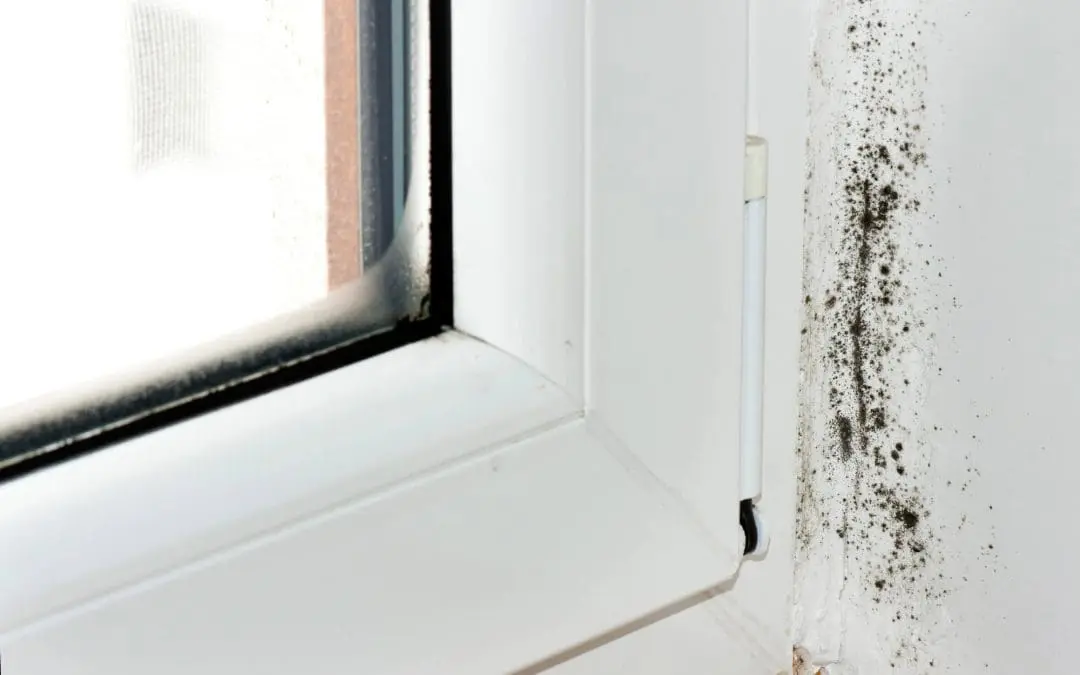
Mold is one of the most frustrating problems a homeowner can face, not just because of the damage and health concerns it causes, but because it keeps coming back if the underlying cause isn’t properly addressed. Cleaning visible mold without understanding its source is one of the most common and costly mistakes homeowners make. To truly protect your home, you need to understand the causes of mold at a fundamental level.
The Three Things That Create the Causes of Mold
Every mold problem comes down to three ingredients: moisture, a surface to grow on, and warmth. Remove any one of these, and mold cannot survive. Of the three, moisture is the only one homeowners can meaningfully control. Organic surfaces like wood, drywall, and insulation are built into virtually every home, and indoor temperatures are generally maintained in the range that mold finds hospitable. Moisture control is, therefore, the cornerstone of every effective mold prevention strategy, and understanding how moisture enters and accumulates is what makes that control possible.
Building and Construction-Related Causes of Mold
Some causes of mold are built into a home during construction rather than developing over time. Improper site grading that allows water to pool near the foundation, inadequate waterproofing on below-grade walls, insufficient vapor barriers in crawl spaces, and poor attic ventilation that allows condensation to accumulate are all construction-related factors that create chronic moisture problems regardless of how well the home is otherwise maintained. These issues are common in older homes but aren’t exclusive to aging properties. New construction homes could also have building envelope deficiencies, improperly flashed windows, gaps in house wrap, or inadequate drainage, that allow water to infiltrate wall assemblies and create hidden moisture environments where the causes of mold are present from the very beginning.
Lifestyle and Behavior as Causes of Mold
The daily habits of the people living in a home contribute to mold conditions more than most homeowners realize. Cooking, showering, doing laundry, and even breathing introduce moisture vapor into the indoor environment. In a well-ventilated home, this moisture cycles out before it accumulates. In a home where ventilation is inadequate, moisture builds up and eventually condenses on the coolest available surfaces. Drying laundry indoors, keeping houseplants in poorly ventilated spaces, and failing to run exhaust fans during and after showers are among the most common behavior-related causes of mold. These habits seem inconsequential individually, but compound over weeks and months into elevated indoor humidity that creates ideal mold conditions throughout the home.
Plumbing Failures and Water Events
Acute water events, plumbing leaks, appliance failures, roof leaks, and flooding are among the most direct causes of mold when not addressed quickly and completely. Mold can begin establishing on wet materials within 24 to 48 hours under favorable conditions, meaning a slow leak hidden inside a wall cavity supports active growth for months before any visible sign appears at the surface. The aftermath of water events is where many mold problems are inadvertently created. Homeowners who dry visible surfaces without fully extracting moisture from wall cavities, subfloors, and insulation set the stage for mold growth that doesn’t become apparent until long after the original incident. Professional water damage restoration that includes moisture readings and complete structural drying eliminates the causes of mold.
Understanding the causes of mold means accepting that mold is a symptom of a moisture problem rather than a problem in itself. Treating the symptom without identifying and eliminating the moisture source is a temporary fix that will require repeating. Addressing the root cause is the only approach that produces lasting results.
Frequently Asked Questions (FAQs)
Why does mold keep recurring even after cleaning?
Mold recurs because cleaning addresses the visible growth without eliminating the moisture source that enabled it. Unless the underlying moisture problem is identified and corrected, mold will reestablish whenever conditions allow.
Can new construction homes have conditions for mold growth?
Yes, construction defects like improper flashing, inadequate waterproofing, and poor site drainage can introduce moisture pathways before a home is even occupied.
What indoor humidity level prevents mold from developing?
Maintaining indoor humidity between 30 and 50 percent creates conditions generally inhospitable to mold. Above 60 percent, conditions become increasingly favorable.
How quickly can mold develop after a water event?
Under favorable conditions, mold can begin establishing within 24 to 48 hours of a water event. This is why rapid response to any plumbing failure, roof leak, or flooding is essential.
Are there causes of mold that homeowners can’t address themselves?
Yes, construction defects, foundation waterproofing failures, and major plumbing system issues require professional assessment and remediation. Lifestyle and behavioral causes of mold can be managed effectively with improved ventilation habits and humidity monitoring.
Danny Inspections offers mold testing and home inspections to the Chicago metropolitan area. If you’re buying or selling your property, contact us to schedule an appointment.