
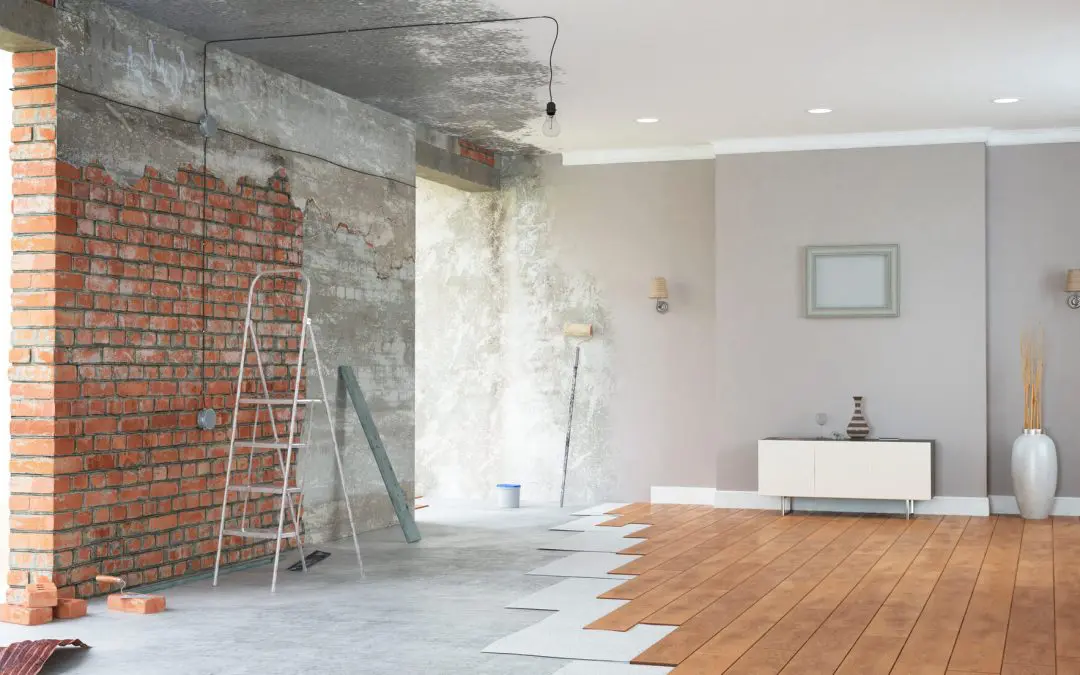
Finding a home with great bones and a rough interior is common in the Chicago area, but financing both the purchase and the repairs can be a challenge. A 203k loan is an FHA program designed for exactly that situation. It rolls the purchase price and renovation costs into a single mortgage, which can make fixer-uppers accessible to buyers who couldn’t otherwise afford the purchase plus the repairs. It also comes with rules, paperwork, and a process that’s different from a standard mortgage. Here’s how it works, what it can cover, and how to prepare. This is general information, so confirm details with an FHA-approved lender.
How a 203k Loan Works
A 203k loan is an FHA-insured mortgage that finances the purchase of a home, or a refinance, along with the cost of repairs and improvements. The renovation money is held in an escrow account and released in stages as work is completed and verified. There are two main versions. The limited version is for smaller, non-structural projects, and the standard version is for larger projects, including structural work, and requires a HUD consultant to help plan and oversee the project. The home must be your primary residence. FHA financing generally allows lower down payments and more flexible credit standards than many conventional loans, though mortgage insurance applies and limits vary by location. Because rules and loan limits change, speak with a lender early so you know what’s possible for your price range and project.
What a 203k Loan Can and Can’t Cover
Eligible projects are broad. A 203k loan can help pay for structural repairs, roofing, plumbing, electrical, heating and cooling, windows, flooring, kitchen and bathroom updates, accessibility modifications, energy improvements such as insulation and windows that can lower future bills, and repairs needed to meet FHA property standards. Lead paint stabilization and code upgrades often qualify too. Luxury items, such as a new swimming pool, generally don’t. The loan usually includes a contingency reserve for surprises, because opening walls often reveals hidden problems. Ask your lender for the current list of eligible and ineligible improvements, since rules and requirements can change, and plan the project around both your needs and the loan’s guidelines. Cosmetic upgrades can often be included, but the priority is usually repairs that affect safety, structure, and systems.
Get the Planning and Paperwork Right
Planning a 203k loan project starts with the right team. Find an FHA-approved lender with experience in this program, and, for the standard version, hire a HUD consultant. A thorough home inspection before you commit helps identify hidden problems and defines the scope of work. Get detailed bids from licensed, insured contractors, and make sure the scope, materials, timeline, and costs are written clearly. Ask the lender how long approvals typically take, so your purchase contract timeline fits. The lender will review the plans, and the appraisal is based on the home’s estimated value after the work is done. Expect more paperwork than a standard loan, and give yourself time to assemble it carefully. Ask for an itemized list of what the loan requires from you and when, and keep copies of everything you submit.
Manage the Renovation and Avoid Common Pitfalls
Once a 203k loan closes, work usually must begin promptly and finish within a limited period. Funds are released as milestones are reached and inspected, so contractors may need to be patient about payment timing. Choose a contractor who understands the process and is comfortable with the paperwork. Expect some delays, and keep records of every contract, change order, and receipt. Resist scope creep, since changes generally need approval and may require adjusting the budget. Depending on the work, you may need temporary housing during the project. Budget for those costs and for interest during the renovation period, and keep communication open among you, the lender, the consultant, and the contractor. Photograph progress at each stage, which helps if questions come up about the work or the payment schedule.
Frequently Asked Questions (FAQs)
Who qualifies for a 203k loan?
Borrowers must meet FHA and lender requirements, and the home must be a primary residence. Ask a lender about credit, income, and property standards.
What’s the difference between limited and standard?
The limited version covers smaller, non-structural projects. The standard version covers larger or structural work and requires a HUD consultant.
Can I do the work myself?
Generally, work is done by licensed contractors, and rules on do-it-yourself work are limited. Ask your lender what is allowed before you plan the project.
How long does the process take?
Longer than a standard mortgage, because of the planning, approvals, and inspections involved. Expect extra time before closing and during the renovation.
Do I need a home inspection?
Yes. An inspection helps define the work and reveal hidden problems before you commit, which makes your budget and scope more realistic.
Danny Inspections offers 203k Loan Consults to the Chicago metropolitan area. If you’re buying or selling your property, contact us to schedule an appointment.