
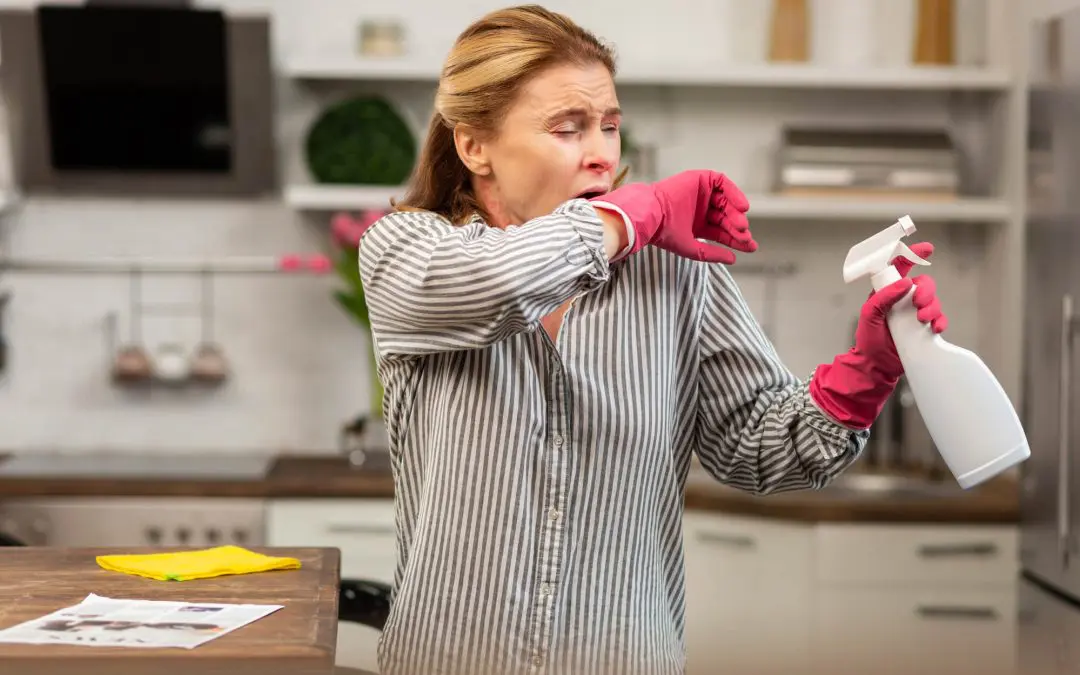
Health hazards in the home are more common than many homeowners realize. While a house may look clean and well-maintained, unseen risks quietly affect air quality, water safety, and overall well-being. From mold growing behind walls to everyday cleaning products releasing harmful fumes, these issues may impact both short-term comfort and long-term health. Understanding where problems hide and how to address them is the first step toward creating a safer living space.
Understanding Common Health Hazards in the Home
Many health hazards in the home develop gradually, making them easy to overlook. Indoor air pollution is one of the most significant concerns. Dust, pet dander, pollen, and chemical vapors accumulate in enclosed spaces, especially in homes that are tightly sealed for energy efficiency. Poor ventilation may trap these pollutants indoors, leading to headaches, fatigue, allergies, and respiratory irritation. Mold is another frequent issue. It thrives in damp areas such as basements, bathrooms, laundry rooms, and around leaking pipes. Even small leaks create the perfect environment for mold growth behind drywall or under flooring. Prolonged exposure may trigger allergic reactions and worsen asthma symptoms.
Carbon monoxide is a more immediate and dangerous threat. This odorless, colorless gas could leak from malfunctioning furnaces, fireplaces, gas stoves, or attached garages. Without proper detection devices, it can build up unnoticed and pose serious health risks. Lead-based paint remains a concern in older homes, particularly those built before 1978. As paint deteriorates, it could create dust that is harmful when inhaled or ingested. Radon, a naturally occurring radioactive gas that enters homes through foundation cracks, is another invisible risk that can only be detected through testing.
Indoor Air Quality and Health Hazards in the Home
Indoor air quality plays a major role in identifying health hazards in the home. Modern homeowners often focus on energy efficiency, sealing windows and doors to reduce drafts. While this improves heating and cooling performance, it can also limit fresh air circulation. Cleaning sprays, air fresheners, candles, and even some furniture release volatile organic compounds. Over time, these compounds may irritate the eyes, nose, and throat. Choosing low-VOC products and ensuring adequate ventilation will significantly reduce exposure.
HVAC systems may also spread contaminants if not properly maintained. Dirty filters and neglected ductwork allow dust and allergens to circulate throughout the house. Replacing filters regularly and scheduling routine inspections can dramatically improve air quality. Humidity levels matter as well. Air that is too humid encourages mold growth, while air that is too dry will irritate the respiratory tract. Maintaining balanced humidity with dehumidifiers or humidifiers helps create a healthier indoor environment.
Moisture, Mold, and Structural Concerns
Moisture is one of the leading contributors to health hazards in the home. It not only damages structural components but also creates ideal conditions for biological growth. Leaky roofs, poorly sealed windows, and plumbing issues may introduce water into areas where it should not be. Bathrooms and kitchens are common problem spots because of frequent water use. Without proper exhaust fans or ventilation, steam accumulates and settles on walls and ceilings. Over time, this persistent dampness supports mold colonies that spread behind surfaces.
Basements are another vulnerable area. Groundwater seepage or high humidity levels make these lower levels especially prone to mold. Regular inspections for damp smells, discoloration, or peeling paint can help detect issues early. Addressing moisture promptly is critical. Repairing leaks, improving drainage around the foundation, and ensuring proper ventilation prevent small issues from becoming significant health hazards.
Chemical and Household Product Risks
Many homeowners are surprised to learn that everyday products can contribute to health hazards in the home. Pesticides, cleaning agents, paint thinners, and automotive fluids stored in garages or utility rooms may release fumes over time. Improper storage increases the risk of accidental exposure. Keeping chemicals in their original containers, tightly sealed, and stored in well-ventilated areas reduces this risk. Switching to safer alternatives where possible will make a meaningful difference. Many manufacturers now offer low-toxicity cleaning products designed to reduce indoor pollution while still providing effective results.
Preventing Health Hazards in the Home Before They Start
Prevention is the most effective strategy for minimizing health hazards in the home. Regular maintenance plays a central role. Annual inspections of heating systems, water heaters, and fireplaces help ensure proper operation and reduce the risk of carbon monoxide leaks. Installing smoke detectors and carbon monoxide alarms on every level of the home provides an early warning system. Routine cleaning also matters. Vacuuming with a high-efficiency particulate air filter will reduce dust and allergens. Washing bedding frequently and keeping clutter to a minimum limit places where dust accumulates. Homeowners who stay proactive rather than reactive often find that small investments in maintenance and monitoring prevent larger problems down the road.
Frequently Asked Questions (FAQs)
What are the most common health hazards in the home?
The most common health hazards in the home include mold growth, poor indoor air quality, carbon monoxide exposure, radon gas, and chemical fumes from household products.
How can indoor air quality be improved?
Improving indoor air quality involves increasing ventilation, replacing HVAC filters regularly, using air purifiers when necessary, and choosing low-VOC cleaning and household products.
How do you know if mold is present?
Visible discoloration on walls or ceilings, a persistent musty odor, or worsening allergy symptoms may indicate mold.
Is radon really a concern for homeowners?
Yes, radon poses serious health risks over long-term exposure. Because it is colorless and odorless, testing is the only way to determine if levels are elevated.
How often should carbon monoxide detectors be checked?
Carbon monoxide detectors should be tested monthly and batteries replaced at least once a year.